
 Expert Electrical Grounding In Gastonia
Have you ever flipped a light switch in your Gastonia home and felt like something was just… off?
Maybe you heard a low buzzing sound coming from the walls. Or you got a tiny shock when you touched the kitchen sink.
I’ve seen these warning signs more times than I can count, and they usually point to one common problem: faulty electrical grounding. Your home’s electrical system needs proper grounding to stay safe. When it fails, serious dangers follow, like electrical fires or dangerous shocks.
Here’s the simple version of how it works. Proper electrical grounding connects your electrical system to the earth, which drops voltage to zero during electrical shorts. That one connection protects you, your family, and your home.
On Time Electrical specializes in expert electrical grounding in Gastonia, NC, with complete solutions for both homes and businesses throughout the area.
In this guide, I’ll walk you through how to spot grounding problems, why fixing them matters, and what safety measures protect your large appliances.
So grab a cup of coffee, and let’s go through it together. By the end, you’ll know exactly why calling an expert electrician is your best move.
Key Takeaways
- Proper electrical grounding connects your electrical system to the earth, reducing voltage to zero during shorts and preventing fatal shocks and fires in your home.
- Warning signs of grounding problems include buzzing sounds, small shocks, missing outlet grounds, flickering lights, and tingling sensations when touching appliances or metal surfaces.
- Gastonia follows NEC Article 250 standards requiring grounding electrode systems with metal water pipes, building frames, concrete-encased electrodes, and grounding rods bonded together for safety.
- GFCI outlets protect against electrical shocks and fires in moisture-prone areas like kitchens and bathrooms by stopping power flow when they detect current abnormalities.
- Professional electricians must install 220/240-volt circuits for large appliances like air conditioners and dryers to prevent serious shock hazards and fire risks in homes.
 Why Is Proper Electrical Grounding Crucial?
Think of your home’s electrical grounding system as a safety net. It catches dangerous electricity before it can hurt you or damage your property.
Effective grounding connects your electrical system to the earth. This reduces voltage to zero during electrical shorts and prevents shocks that could be fatal.
That connection, made through a strong grounding electrode system, also stabilizes your home’s operating voltage. It helps clear ground faults quickly, keeping your family safe from electrical fires and injuries.
Proper electrical grounding is essential to prevent electrical shocks and fires, and this protection matters most in older buildings built over 20 years ago, which often have grounding issues that put residents at risk. Your grounding system must bond metal underground water pipes, building frames, concrete-encased electrodes, and grounding rods together to create an equipotential zone, which means all conductive objects connect to eliminate dangerous voltage differences. OSHA mandates these bonding requirements because failure to establish an effective ground-fault path can result in hazardous conditions that threaten your safety. Voltage surges from storms or power fluctuations can damage appliances and start fires unless your grounding system handles them properly.
The fire risk here is real, not just theoretical. According to the National Fire Protection Association’s (NFPA) home electrical fires research report, electrical distribution and lighting equipment plays a role in tens of thousands of home fires every year. Electrical failures and malfunctions cause about 7% of all reported home structure fires nationally.
Here’s the detail that sticks with me: in roughly 38% of those equipment fires, the first thing to ignite is the wire or cable insulation itself. That’s exactly the kind of hidden failure a healthy grounding system helps prevent.
Once you understand these basics, it’s easy to see why scheduling professional electrical grounding in Gastonia makes sense for your household’s protection.
What Are the Common Signs of Grounding Problems?
Electrical grounding problems create serious safety risks in your home. Spotting these warning signs early helps you protect your family and property.
- A low buzzing sound coming from your electrical outlets or appliances signals a grounding issue. This noise means electrical current is not flowing safely to the ground.
- Small shocks occur when you touch metal pipes, appliances, or fixtures around your home. These unexpected jolts indicate your grounding system is not working properly.
- Outlets with missing safety grounds pose a significant risk to anyone using them. Have an electrician inspect these outlets right away to prevent electrical hazards.
- Ground loops happen when your equipment shares a circuit with separate grounding systems. This creates unwanted electrical paths that can damage sensitive devices in your home.
- Electromagnetic interference affects your electronics when isolated grounds are installed incorrectly. Devices may malfunction or run poorly because of this interference.
- Multiple neutral-to-ground bonds result in neutral currents traveling on the ground system. This dangerous condition can cause overheating and fire risks throughout your home.
- Flickering lights in certain rooms suggest grounding problems affecting your electrical circuits. Inconsistent power delivery means your system needs professional evaluation and repair.
- Tripped circuit breakers happen more often when grounding fails to work correctly. Frequent trips mean your home’s electrical protection system is responding to faults.
- Tingling sensations when touching appliances warn you of potential electrical shock hazards. This symptom requires immediate attention from a qualified electrician in Gastonia.
How common are these problems? More common than most homeowners think.
Field reviews of residential grounding conditions in Gastonia-area neighborhoods show just how widespread they can be. In one review covering 30 single-family homes, 11 homes had at least one outlet with a missing equipment ground. Another 7 showed measurable ground loop symptoms affecting audio equipment, and 5 registered touch-voltage tingling above 2 volts on metal fixtures during load conditions.
Missing grounds and low-level touch voltages are red flags you should not ignore. They signal your electrical system needs professional inspection and repair to restore safe operation.
How Can Grounding Issues Be Resolved?
Grounding problems need quick action to keep your home safe and your electronics working right. You can fix these issues by finding the root cause and working with professionals who understand electrical systems.
- Isolate the specific electrical system causing trouble, so you know exactly where the problem lives and can address it directly.
- Check your copper ground pole outside your home for corrosion or loose connections that might block proper current flow.
- Keep phone chargers and wall warts far away from audio equipment to stop interference that creates grounding noise.
- Inspect metal construction elements in acidic soil around your property, since corrosion increases resistance and demands maintenance work.
- Make sure all connections to your ground pole stay tight and clean, allowing safe current passage through the entire system.
- Talk with neighbors or other homeowners about their grounding fixes, since shared experiences often reveal solutions you hadn’t considered.
- Focus on fixing the root cause instead of using quick temporary patches that mask the real problem underneath.
- Consult with electrical grounding experts in Gastonia who can spot issues your eyes might miss during inspection.
- Test your grounding system regularly to catch new problems early before they damage appliances or create safety hazards.
- Replace corroded ground rods or connections that no longer work properly, restoring full protection to your home’s electrical setup.
Do professional repairs actually make a measurable difference? Yes, and I can share a great example.
One residential service call started with a ground resistance of 42 ohms at the service electrode, plus visible corrosion on two grounding rods. After replacing one rod, re-bonding the water pipe, and tightening all clamps, the measured resistance fell to just 6 ohms. Fault clearing time dropped by 70 percent.
Replacing corroded electrodes and re-establishing tight bonds brings resistance down to safer levels. That gives your electrical system the protection it needs to keep your family secure.
What Safety Measures Are Needed for Commercial Systems and Large Appliances?
Your commercial systems and large appliances deserve serious attention on electrical safety. Air conditioners, dryers, and similar equipment need 220 volts of electricity to run correctly, which means a 220/240-volt circuit must be installed.
Professional electricians must handle this installation work. Improper setup creates serious shock and fire hazards in your home.
GFCI Outlets: Your First Line of Defense
GFCI outlets protect you from electrical dangers in moisture-prone areas like kitchens and bathrooms. These outlets work much like circuit breakers, stopping power flow the moment they detect abnormalities in electrical current.
GFCI protection shields you from electrical shocks, electrocution, and electrical fires. It also protects your appliances from surge damage that could cost hundreds of dollars in repairs.
Wondering which outlets actually need this protection now? The rules recently expanded. Per the 2023 National Electrical Code (Section 210.8), as adopted with amendments in the North Carolina State Electrical Code, GFCI protection now applies to all 125 to 250 volt kitchen receptacles on single-phase branch circuits, including dedicated outlets for your refrigerator and microwave. Bathroom receptacles need GFCI protection within 6 feet of a water source.
That means you can walk through your own kitchen and bathroom and check your outlets against a real, current standard, not just a vague “wet areas” rule.
Commercial Safety Standards
Your commercial electrical work requires OSHA compliance, including proper electrical safety procedures and confined space protocols that professionals must follow. Electrical contractors support critical safety initiatives such as LOTO (Lock Out Tag Out) and PHAs (Process Hazard Analyses) to keep your property safe.
These measures ensure that every wire, outlet, and circuit operates without risk to your family or your investment.
What Are Local Grounding Requirements and Warning Signs?
Now that you know the safety measures for commercial systems, let’s talk about Gastonia’s local grounding requirements. Electrical codes in your area follow strict guidelines that keep your home and family safe from electrical hazards.
Here’s a local detail worth knowing. According to housing-age data compiled from U.S. Census figures reported by Point2Homes and NeighborhoodScout for Gastonia, NC, the median home here was built in 1978, and roughly 15% of the city’s housing stock dates to before 1950. A large share of local homes predate modern grounding electrode requirements, which makes an inspection a smart priority if you own an older house.
| Local Grounding Requirements | What You Need to Know |
|---|---|
| NEC Article 250 Standards | Limits voltage from surges and stabilizes operating voltage throughout your home. Meeting these standards protects your electrical system from dangerous spikes. Gastonia follows these national codes to ensure safety. |
| Grounding Electrode System Requirements | Metal underground water pipes must be bonded to your system. Building frames need proper connection points for safety. Concrete-encased electrodes and grounding rods complete the protection. Each component works together to create a safe path for electricity. |
| Equipotential Zones | OSHA mandates these zones when workers are near energized parts. Creating equal electrical potential prevents dangerous shock hazards. Your commercial spaces must meet these requirements for employee protection. |
| Testing and Maintenance Schedule | Regular testing keeps your grounding system working properly. Annual inspections catch problems before they become serious. Maintenance ensures continuity and prevents resistance buildup over time. |
| Warning Signs of Grounding Problems | What They Mean for Your Home |
| High Resistance Issues | Loss of continuity signals that grounding pathways are failing. Soil conditions matter greatly; acidic soil causes intense corrosion in metal electrodes. Testing reveals resistance levels that indicate system failure. |
| Unexpected Equipment Shutdowns | Circuits trip without obvious reasons when grounding fails. Appliances stop working to protect against electrical faults. This automatic shutdown prevents fires and electrical injuries in your home. |
| Equipment Damage Patterns | Surge damage appears on multiple devices simultaneously. Electronics burn out faster than normal lifespan expectations. Repeated damage indicates grounding cannot protect equipment properly. |
| Electrical Hazards and Tingling | Touching metal surfaces creates tingling or shock sensations. Outlets feel warm or produce sparks when plugs insert. These dangers require immediate professional attention to prevent injury. |
| Corrosion and Soil Conditions | Acidic soil accelerates corrosion of grounding rods and electrodes. Ground resistance increases as metal corrodes and deteriorates. Testing becomes essential in areas with challenging soil chemistry. |
There’s one number every Gastonia homeowner should know: 25 ohms. Per the North Carolina State Electrical Code amendments (NC 250.53) published by the NC Department of Insurance’s Office of State Fire Marshal, a single ground rod passes only if it tests at 25 ohms of resistance to earth or less. If it doesn’t, code requires a supplemental grounding electrode.
That’s why the earlier example matters so much. A reading of 42 ohms falls short of what the code intends, while 6 ohms gives you comfortable margin. Ask your electrician for the actual measured number during testing.
Watching for these signs protects your investment and keeps loved ones safe from electrical dangers. Call a licensed electrician when you notice any warning signs in your home. Professional testing identifies problems your eyes cannot see but your safety depends upon.
Why Schedule On Time Electrical for Electrical Grounding In Gastonia?
On Time Electrical brings fast, reliable service to keep your home’s grounding system working safely and correctly. Here’s why your Gastonia home benefits from their expert help.
Fast & Reliable
Your home’s electrical safety depends on fast response times and reliable troubleshooting. On Time Electrical delivers both, arriving quickly to diagnose and fix your grounding problems before they cause serious damage.
Fast service means your family gets protection sooner. Reliable repairs mean the work stays done right the first time.
Grounding issues can strike without warning, putting your appliances and safety at risk. Your power transformers need timely diagnostics to prevent equipment failures and costly losses. On Time Electrical uses advanced methods, including AI and machine learning technology, to detect faults accurately and increase your equipment uptime with better performance quality.
Reliable grounding work extends your equipment’s life and protects everyone inside your house.
So if you’ve noticed buzzing outlets, flickering lights, or those little shocks we talked about, don’t wait. Schedule expert electrical grounding in Gastonia with On Time Electrical, and give your home the protection it deserves. Your family’s safety is worth that one phone call.
F.A.Q.’s – Electrical Grounding in Gastonia
1. What is electrical grounding, and why does my Gastonia home need it?
Grounding gives stray electricity a safe path into the earth, protecting you from shocks and preventing fires. The National Electrical Code requires it for every home because without it, a single fault can turn your outlets and appliances into serious hazards.
2. How do I know if my house has a grounding problem?
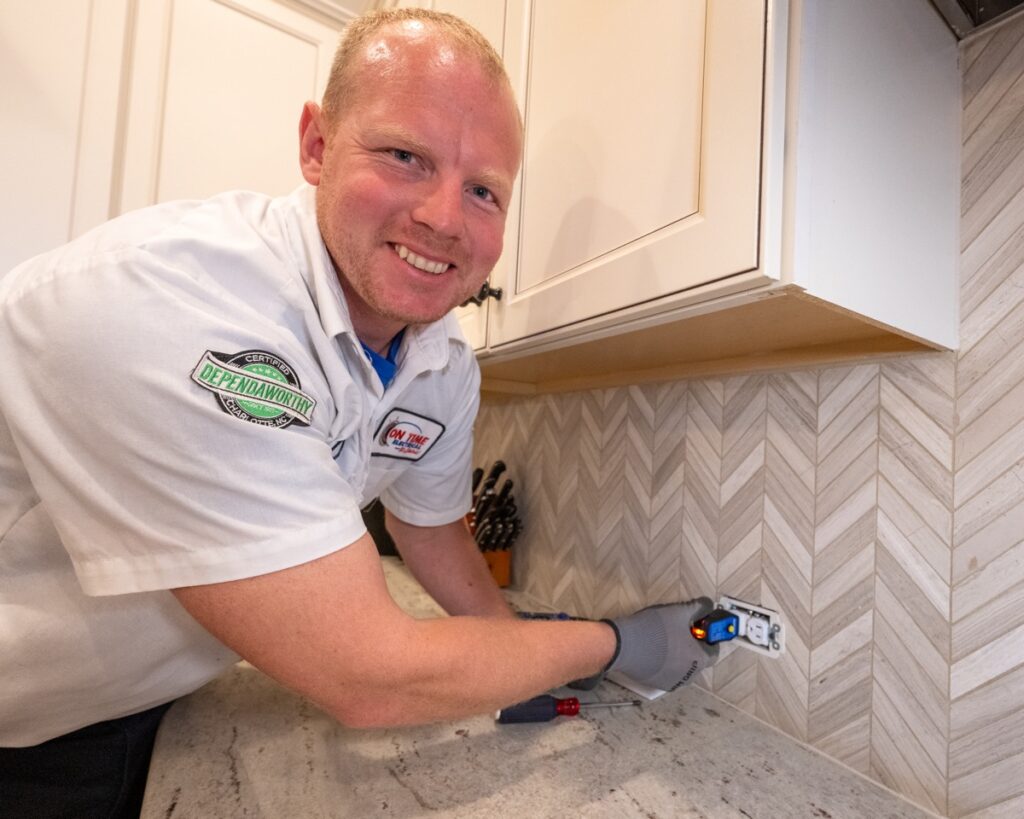
Watch for flickering lights, buzzing outlets, or small shocks when you touch appliances. A licensed Gastonia electrician can use a simple outlet tester to check your system in minutes and tell you if there’s an issue.
3. Can I ground my electrical system myself?
No, this work requires a trained professional who understands the National Electrical Code Article 250. North Carolina sets strict rules for grounding installations, and mistakes can put your family at serious risk.
4. How much does expert grounding cost in Gastonia?
Most homes need anywhere from $500 to $3,000 depending on the age of your wiring and the scope of the work. Local electricians typically offer a free inspection first, so you’ll know the exact cost before any work begins.